A Practical Guide to Vaping Cannabis Concentrates
I still remember the first time I tried dabbing. A friend passed me a rig loaded with a dark, sticky blob that smelled like pine sap and gasoline. I coughed, I laughed, and I understood immediately why people move past flower. Concentrates offer a depth of flavor and efficiency that dry herb just can't match. But the gear can be confusing, the terminology can be intimidating, and there are real safety considerations. This guide walks through the essentials of vaping cannabis concentrates, from choosing your setup to understanding what you are actually inhaling.
Why People Switch to Concentrates
Flower is great, but it contains plant matter that burns and produces ash, carbon monoxide, and a harsher smoke. Concentrates strip away the plant material to leave mostly cannabinoids and terpenes. That means a cleaner vapor, more flavor, and a more efficient use of your material. A single gram of a good live resin or honey oil can last much longer than an eighth of flower, especially if you are vaping it at the right temperature.
There is also the question of full spectrum effects. When you extract cannabinoids without excessive heat or harsh solvents, you preserve a broader range of compounds. Solventless methods, like pressing bubble hash into rosin, or using hexane-free extraction for honey oil, produce a concentrate that contains not just THC but also minor cannabinoids, terpenes, and sometimes even a small amount of CBD isolate depending on the starting material. That full spectrum profile is what many experienced users look for when they start vaping cannabis concentrates. The entourage effect matters, and a well-made concentrate delivers it.
Gear: The Basics
You do not need a lab to get started, but you do need the right tool for the job. The most common setup for vaping cannabis concentrates is a dab rig. These come in glass, ceramic, and silicone configurations. A traditional dab rig uses a torch to heat a nail, usually quartz or titanium, to the right temperature. You drop the concentrate onto the hot surface and inhale the vapor. It works, but it takes practice to avoid burning your material or wasting it.
A more modern approach is an enail. This is an electric heating element that keeps your nail at a precise temperature. No torch, no guesswork. Just set the temp and wait. Enails are common in homes where people dab frequently because they deliver consistent results every time. If you prefer something portable, look at devices like the Puffco Peak. It is an all-in-one e-rig that combines a ceramic nail, a glass chamber, and a rechargeable battery. It is not cheap, but it removes almost all the guesswork from the process.
For those who want to use a standard vape mod, a wax atomizer is the answer. These are small coils or ceramic cups that screw onto a box mod. You load a rice-sized grain of concentrate onto the coil, pulse the power, and inhale. They are discreet, affordable, and great for on-the-go use. The trade-off is that they are harder to clean and the coil needs replacing every few weeks.
Temperature and Technique
Temperature changes everything. Too hot and you destroy terpenes, produce harsh vapor, and risk creating unwanted byproducts. Too cold and the concentrate does not fully vaporize, leaving a puddle of waste in your nail. A good starting range for most concentrates is between 315 and 450 degrees Fahrenheit. Lower temps preserve flavor, higher temps produce bigger clouds but sacrifice taste. A ceramic nail holds heat well and is forgiving for beginners because it does not scorch the material as easily as quartz or titanium.
When you are vaping cannabis concentrates at home with an enail or a Puffco Peak, you can dial in the exact temperature that suits your strain. A citrusy live resin might taste best at 350 degrees, while a heavy indica honey oil might shine at 400 degrees. Experimentation is part of the fun. Keep a small notebook or a note on your phone to track what worked for each batch.
One thing I have learned the hard way: always let your nail cool down after heating it with a torch. I ruined more than a few dabs by rushing. The sweet spot is when the nail is hot enough to vaporize but not so hot that it glows red. If you see red, wait ten seconds. If you see no vapor at all, it is too cold. Experience teaches you the timing, but an enail removes that variable entirely.

Types of Concentrates
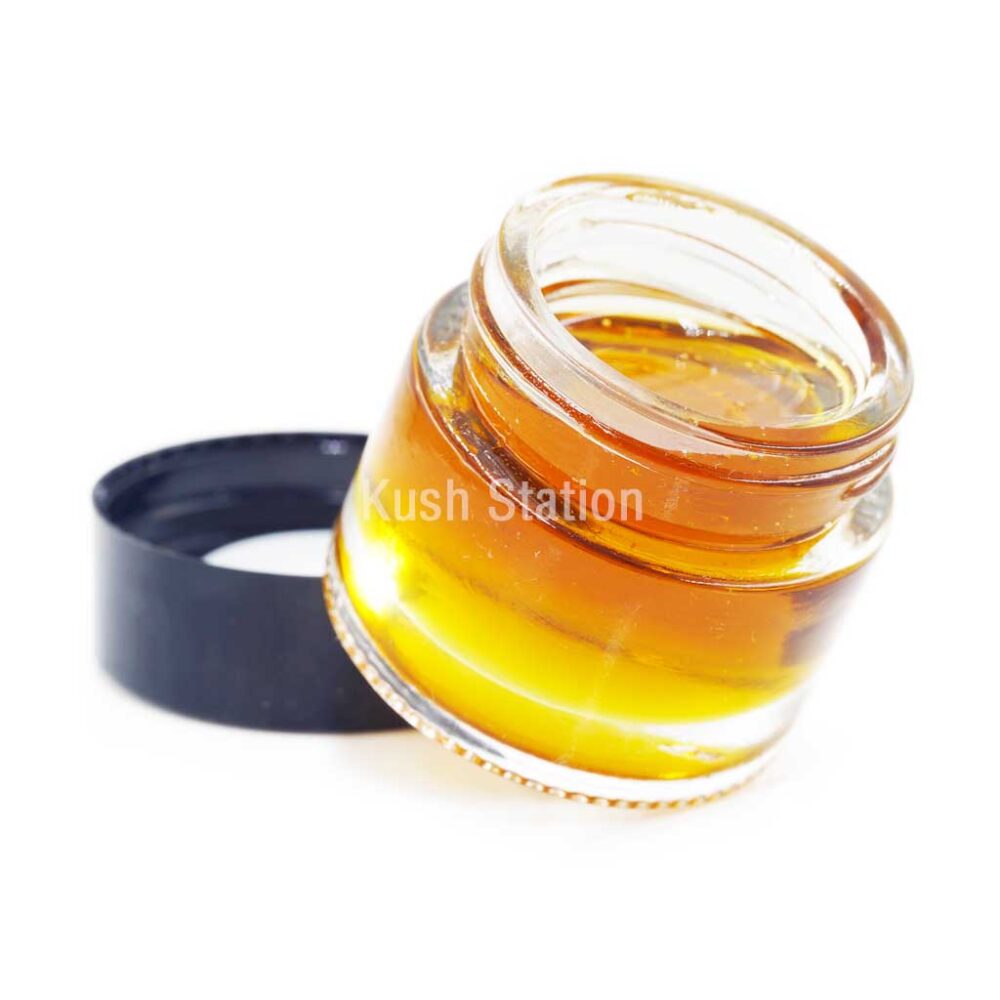
Not all concentrates behave the same way in a vaporizer. Honey oil, for example, is a runny, amber liquid that soaks into a wick or coil easily. It is perfect for wax atomizers and portable pens. Live resin, on the other hand, is a sticky, semi-solid that is best handled with a dab tool and a heated nail. Bubble hash is crumbly and can be sandwiched between layers of flower or vaped on its own in a dedicated concentrate chamber.
Solventless concentrates are increasingly popular because they avoid chemical residues. Hexane-free extraction methods produce a cleaner product, and many users report a smoother vapor. If you care about purity, look for products labeled solventless or hexane-free. The brand Kushstation, for instance, sells lab-tested honey oil that is solventless and full spectrum. That kind of transparency matters when you are inhaling something into your lungs.
Safety and Storage
Concentrates are potent. A single dab can deliver three to five times the THC of a typical flower hit. If you are new to concentrates, start with a tiny amount, wait ten minutes, and assess. Overconsumption is uncomfortable and can lead to nausea or anxiety. Respect the material.
Storage is also important. Heat, light, and air degrade cannabinoids and terpenes over time. Keep your concentrates in a cool, dark place, preferably in a glass container with an airtight seal. Honey oil can be stored in a syringe or a glass dropper bottle. Live resin and bubble hash do best in silicone containers or parchment paper inside a glass jar. If you are in quarantine or just stocking up, consider freezing your concentrates for long-term storage. Just let them come to room temperature before opening to avoid condensation.
Making the Most of Your Material
One advantage of concentrates is that you can use the leftovers. After you have vaped a few dabs from a ceramic nail, you might notice a dark residue. That residue, often called reclaim, still contains cannabinoids. You can collect it and infuse it into butter or oil to make cannabutter. It will not taste great, but it will get the job done. Alternatively, you can dissolve reclaim in high-proof alcohol, evaporate the alcohol, and use the resulting tincture. Waste not, want not.
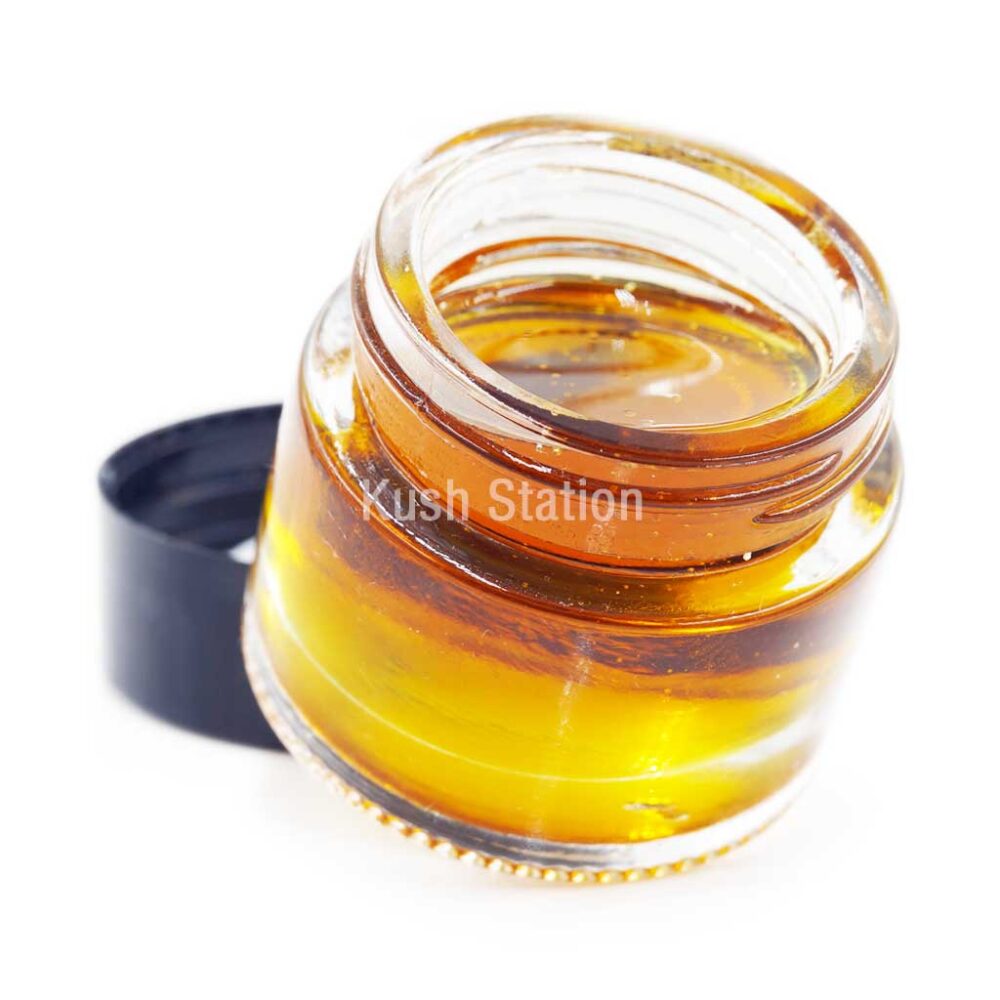
Another tip: if you are buying honey oil or live resin, ask about the strain. Different strains produce different terpene profiles, and those terpenes affect both flavor and effects. A strain high in myrcene might be more sedating, while one rich in limonene might feel more uplifting. Knowing your strain helps you choose the right temperature and the right time of day to vape.
The Bottom Line
Vaping cannabis concentrates is not complicated, but it rewards attention to detail. Whether you use a torch and a dab rig, a Puffco Peak, or a simple wax atomizer, the principles are the same: low temperature preserves flavor, clean gear produces better vapor, and quality material makes all the difference. Take the time to learn your equipment, store your concentrates properly, and experiment within safe limits. The experience of tasting a well-made live resin at its ideal temperature is something that flower alone cannot replicate.